



towards more sustainable mobility

Renault is committed to reducing its carbon footprint and developing more sustainable mobility. This begins at the design stage, with increased use of recycled materials, continues through after-sales with circular economy parts and services, and extends all the way to end-of-life vehicle recycling.
eco-designed vehicles

use of recycled materials
Renault uses recycled materials and limits the use of virgin raw resources, helping reduce its overall carbon impact. These innovative materials offer comparable performance in terms of perceived quality, durability and comfort.
circular‑economy materials in our vehicles by 2030
33 %
leather-free alternatives
Leather components in seat upholstery, steering wheels and gear levers are replaced with partially recycled coated grained textiles (TEG)*. The result: 10 times less water used during production and 30% less mass for the same surface area.
across the entire range
0 animal leather

*containing at least 12% recycled or bio-sourced materials and offering equivalent performance to leather in terms of feel, comfort, thermal behaviour, perceived quality and durability.
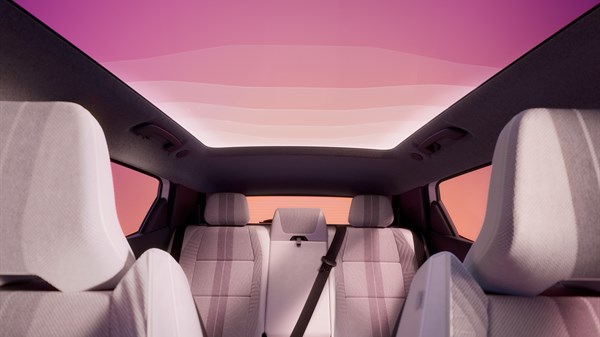
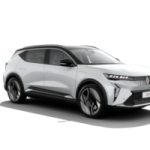
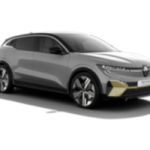
Renault Scenic E-Tech electric
Renault Scenic incorporates 27% circular-economy materials¹, including 17% recycled plastics (40 kg)² and at least 92% recycled fibres² for seat textiles³.
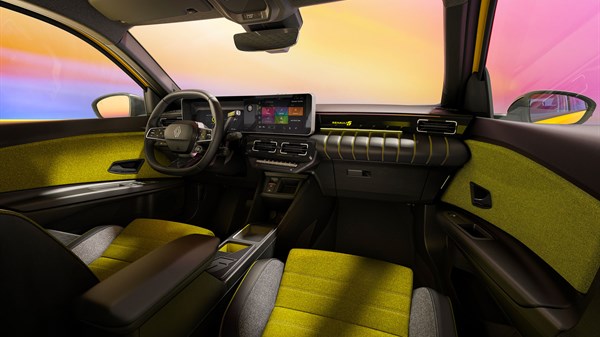
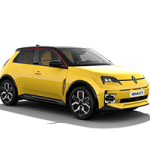
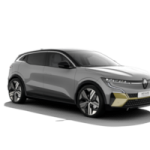
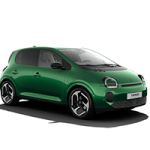
Renault 5 E-Tech electric
Renault 5 contains 19.4% recycled plastics (40 kg)¹, 100% recycled textiles² ⁴ and a dashboard structure made from 100% recycled or natural materials.
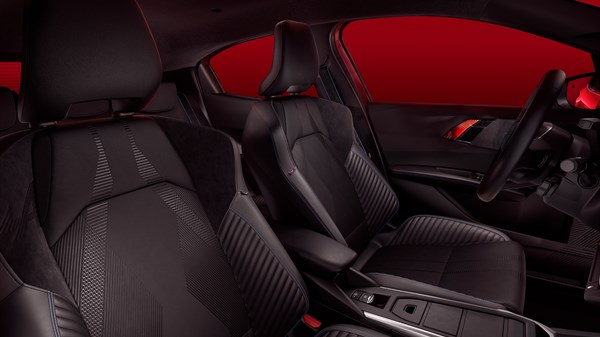
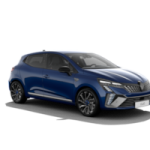
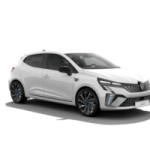
Renault Clio
new Renault Clio includes 33.9% circular- economy materials¹, from interior plastics and seat textiles, to wheel rims made with at least 50% recycled aluminum⁵.
recyclability
vehicle recyclability – Renault
Renault vehicles have a recyclability rate of 85% to 90% and 95% of them can be recovered at end-of-life*.
Scenic is mostly recyclable at
90% of its mass
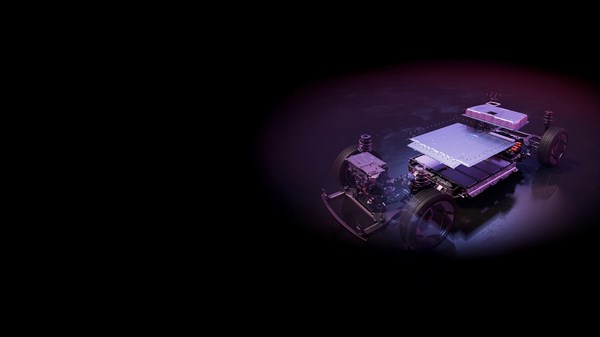
*recyclability and recoverability rates (including energy recovery) according to Directive 2005/64/EC

battery recyclability
A pioneer in electric mobility, Renault has been collecting lithium-ion batteries from end-of-life vehicles for 15 years, to recycle them or give them a second life. At least 65% of battery materials* are recycled.
batteries already recycled
more than 10,000
*European regulatory requirement: at least 65% battery recycling efficiency by 31 Dec. 2025
circular economy
renative
With renative, Renault offers after-sales services and products based on the circular economy: reliable, affordable solutions including repaired, refurbished or remanufactured parts, as well as products made with recycled materials.

Collecting and dismantling end‑of‑life vehicles, reusing parts, remanufacturing and recycling materials to reintegrate them into the automotive lifecycle… This is the strategic mission of THE FUTURE IS NEUTRAL. The only company in Europe to offer such a comprehensive range to the entire automotive sector.
The Flins Refactory embodies Renault ‘s commitment to circular mobility: extending the life of vehicles and recycling their components. It is Europe’s first circular‑economy plant dedicated to mobility.

also discover
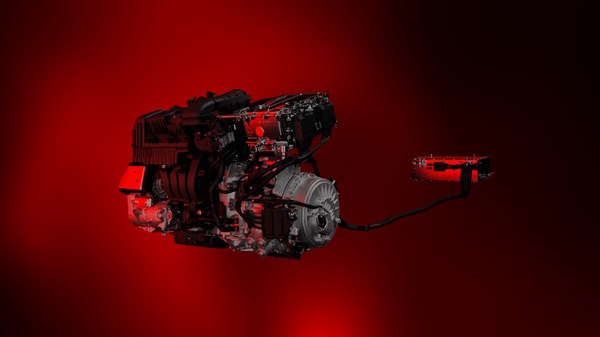
E-Tech technology

the Renault brand
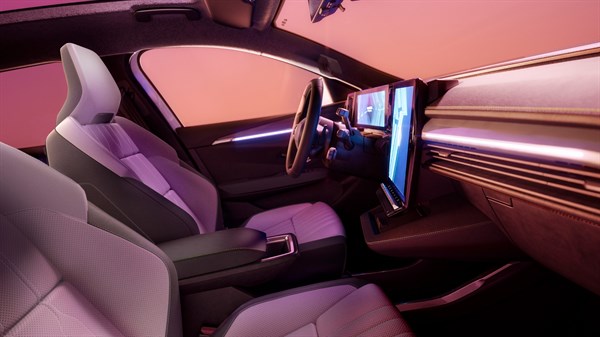
technologies that enhance the experience
¹weighted production averages, including recycled materials defined by ISO 14021, plus reintegrated offcuts or process waste within manufacturing sites.
²according to the ISO 14021 standard
³techno and esprit Alpine versions
⁴techno and iconic five versions
⁵esprit Alpine version


